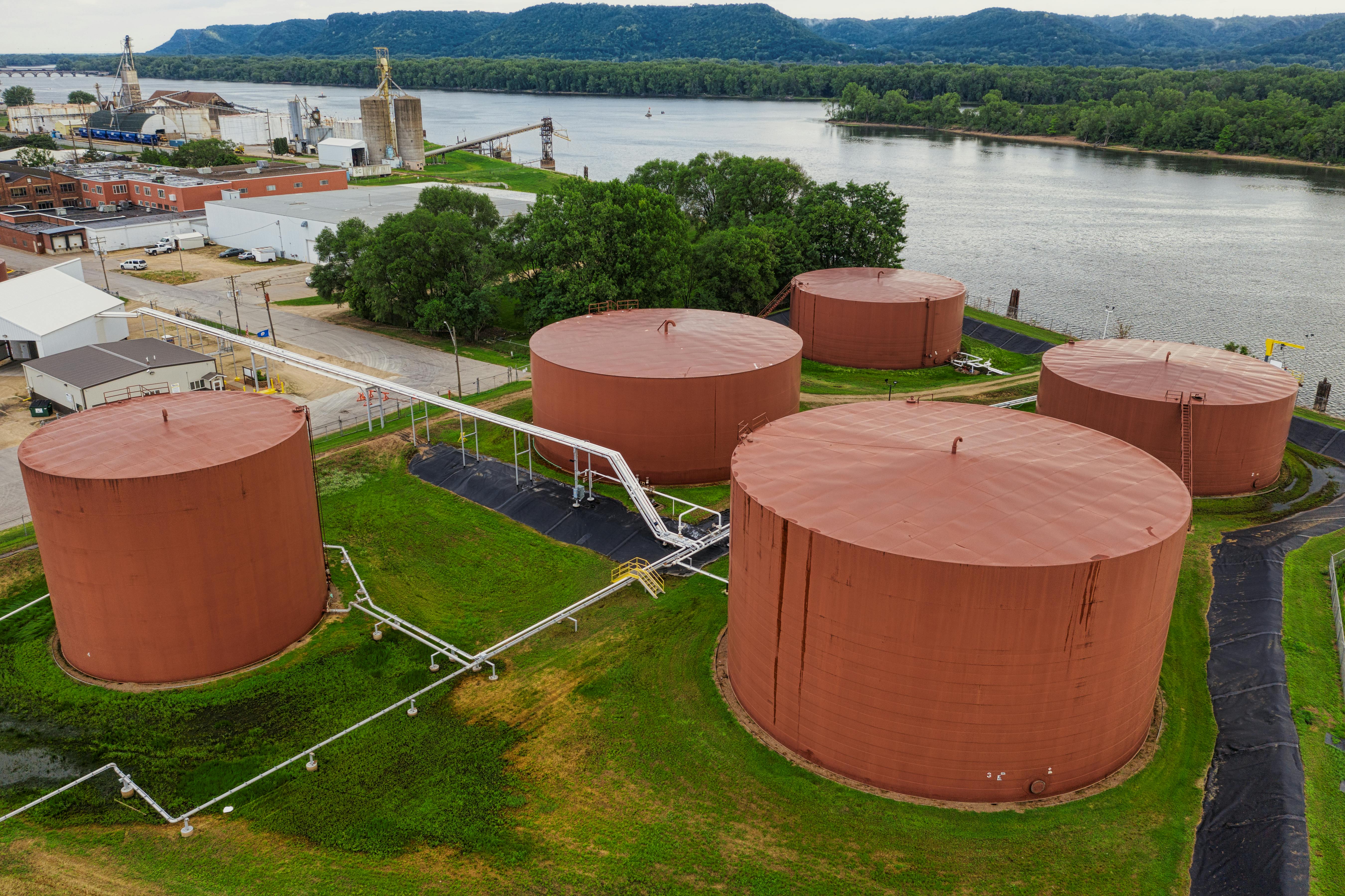
What Is an Equalization Tank? Uses, Maintenance & Benefits
Wastewater treatment plants work best when the incoming flow stays steady. But that’s an ideal state. In practice, flow rates can be unpredictable, depending on production schedules, mealtimes, and weather events. Those sudden spikes can hammer downstream processes and drag down treatment efficiency.
That's where the equalization tank comes in. But what is equalization tank in practical terms? And how can it support your system in the long haul? Keep reading to learn more.
What Is an Equalization Tank?
An equalization tank is a temporary storage basin strategically placed within a wastewater treatment system. It balances the flow rate and composition of incoming wastewater. By smoothing out flow and pollutant fluctuations, it protects treatment units from shock loads. This also helps improve overall treatment efficiency and effluent quality.
What Is Equalization Tank in Wastewater Treatment?
An equalization tank evens out daily variations of various elements in wastewater. These include flow rate, volume, pH, pollutant concentration, and organic loading. The process is crucial because biological treatment processes depend on stable organic loading to sustain healthy microbial activity. Chemical dosing systems, too, perform best with predictable concentrations. The tank essentially provides a more consistent influent, which is the cornerstone of reliable treatment performance.
Equalization Tank vs Storage Tank
It’s a common misconception that an equalization tank is simply a holding tank, but the distinction is critical. For starters, a standard tank supports passive storage, often just delaying flow.
An equalization tank functions differently. It controls balancing, mixing, and regulated discharge. It also homogenizes wastewater. This prevents solids from settling and ensures a consistent blend is fed to the next treatment stage.
Why Equalization Tanks Are Important in Wastewater Treatment
Without an equalization tank, flow rates and contaminant swings hit downstream treatment units directly. Peak hours overload the system, low-flow periods leave it underutilized, and neither situation makes for good treatment. That's why people in the industry call these tanks "shock absorbers" for the treatment process. They soak up sudden variations in flow and composition, so the biological, chemical, and filtration stages downstream don't have to deal with chaos. The result is stable, consistent conditions that keep the whole plant running the way it should.
Balancing Flow During Peak and Low-Flow Periods
One of the main jobs of a flow balancing tank is handling those natural ups and downs in wastewater volume. Think morning rush hour in a municipal system. Everyone's showering, flushing, doing laundry, and suddenly the system's getting slammed.
In this case, the tank holds that excess flow and then releases it gradually. That steady pace keeps downstream equipment from getting overwhelmed or, on the flip side, underused. And when equipment runs at a consistent speed, it lasts longer and works better.
Stabilizing Pollutant Load and Wastewater Quality
Industrial plants often dump batches of highly concentrated waste, loaded with organics or chemicals. Without some buffer, that would send the treatment system into panic mode. The equalization tank mixes those strong batches with weaker flows. This smooths out spikes in pH, temperature, and pollutant levels. Without it, solids settle, and you end up with uneven, unpredictable wastewater.
How an Equalization Tank Works
At its heart, the concept couldn't be simpler: wastewater enters the tank, remains there temporarily, and leaves at a controlled, steady rate. Upstream flows dump into the tank, where it's held temporarily. Meanwhile, active mixing keeps solids from settling out and stops the wastewater from separating into layers.
When the system gets slammed with high inflow, the tank fills to absorb the excess flow. When things quiet down, it releases that stored wastewater at a controlled, consistent rate. Pumps handle the discharge, with level sensors and flow meters continuously monitoring the process, often tied to a PLC that automates the whole operation. The result is that downstream treatment stages get a predictable, even flow, day in and day out.
The Role of Mixing and Aeration
Good mixing means everything stays suspended and evenly blended. Aeration keeps the wastewater from going septic. By pumping in oxygen, it stops that foul, rotten-egg smell (hydrogen sulfide) before it even starts. In simple terms, mixing keeps solids suspended, while aeration helps prevent odors and septic conditions.
Pumping and Flow Control
Controlling the discharge from the tank is all about smart pumping. Inlet pumps are usually tied to the water level in the upstream tank. Outlet pumps, meanwhile, are flow-paced to discharge at a consistent rate no matter what's coming in. Level sensors and flow meters feed real-time data to the control system, which automates the whole process. The result is the tank never overfills, never drains too fast, and always sends a nice, steady flow downstream.
Where Equalization Tanks Are Commonly Used
Equalization tanks are a versatile tool in wastewater management, found across a broad spectrum of applications. They are used in municipal, industrial, decentralized, and commercial systems where wastewater flow or composition changes throughout the day.
Industrial Wastewater Applications
In industrial settings, an equalization tank is like a shock absorber for the treatment system. It balances spikes of organic material, harsh chemicals, or extreme temperatures. Take a brewery, for instance. Their wastewater can have varying pH, temperature, and flow throughout the day. An equalization tank smooths all that out, helping them stay within discharge limits while also cutting down on chemical additions and saving money.
Municipal and Commercial Wastewater Systems
During heavy rain, the tank acts as a temporary holding area. This prevents overflows and gives the treatment plant some breathing room in stormwater. On the commercial side, these tanks make sure treatment stays consistent no matter what, handling busy peak periods and quiet lulls with ease.
Key Design Considerations for Equalization Tanks
Designing a good equalization tank takes a solid grasp of the actual wastewater stream and what the plant really needs.
Tank Volume and Retention Time
Getting the size right is the single most important piece of the puzzle. And there's no universal answer. It all depends on the unique ups and downs of the flow pattern. The tank needs to be big enough to hold all that excess wastewater during peak surges, but also keep a reserve to feed the system during slow periods.
Retention times usually fall somewhere between 6 and 24 hours, depending on how wild the fluctuations are. For industrial plants with extreme peaks and valleys, you might need to lean toward the longer end to get enough buffering.
Wastewater Characteristics
The water’s content matters just as much as its volume. Consider pH, temperature, and solid content. You might also want to check chemical makeup, odor risk, and organic load.
If the wastewater is prone to getting smelly, you'll want a solid aeration system in place. You might also need closed tanks with fume vents and odor control to handle the gases that can form when things go anaerobic.
Site and Installation Requirements
What works on paper might not work on the ground. The available space, how easy it is to get equipment in, what the foundation looks like, and local conditions like earthquake risk or a high water table all play into how a tank gets designed. And if the system might need to grow down the road, that's another factor worth thinking about upfront. That's where prefabricated modular tank designs start looking pretty attractive.
Equalization Tank Maintenance: What to Watch
Proper maintenance is essential to keep an equalization tank performing effectively. Routine upkeep prevents odor, solids buildup, equipment failure, and treatment disruptions, ensuring the tank remains a valuable asset for the long term.
Routine Inspection Points
Level sensors, flow meters, and control panels need to be checked and calibrated to ensure accurate monitoring and automated control. The tank itself should be inspected for signs of corrosion, leakage, or damage to protective coatings. Access hatches and vents should also be checked to ensure they are secure and unobstructed.
Sediment and Solids Management
When mixing is inadequate, suspended solids settle out and start piling up on the bottom. That sediment eats into usable tank volume and creates dead zones where sludge collects and sits. The tank doesn't work as efficiently, and before long, odors start showing up. Septic conditions can develop, too. Setting up a regular cleaning schedule to pull out accumulated grit and sludge is the only way to keep the tank operating at its original capacity and avoid those problems in the first place.
Odor and Septicity Prevention
Stagnant wastewater is a recipe for odor problems. When wastewater sits undisturbed, it becomes septic, producing hydrogen sulfide and other foul-smelling gases. Proper mixing and aeration are the first line of defense against this. Operators must ensure these systems are functioning correctly and adjust their operation as needed based on the tank's loading and seasonal changes. In some cases, chemical dosing or carbon filters may be added as supplementary odor control measures.
Why Bolted Tanks Are a Strong Fit for Equalization Applications
For many wastewater projects, bolted steel tanks offer a compelling combination of durability, flexibility, and speed, making them a natural fit for equalization applications.
Faster Installation and Modular Construction
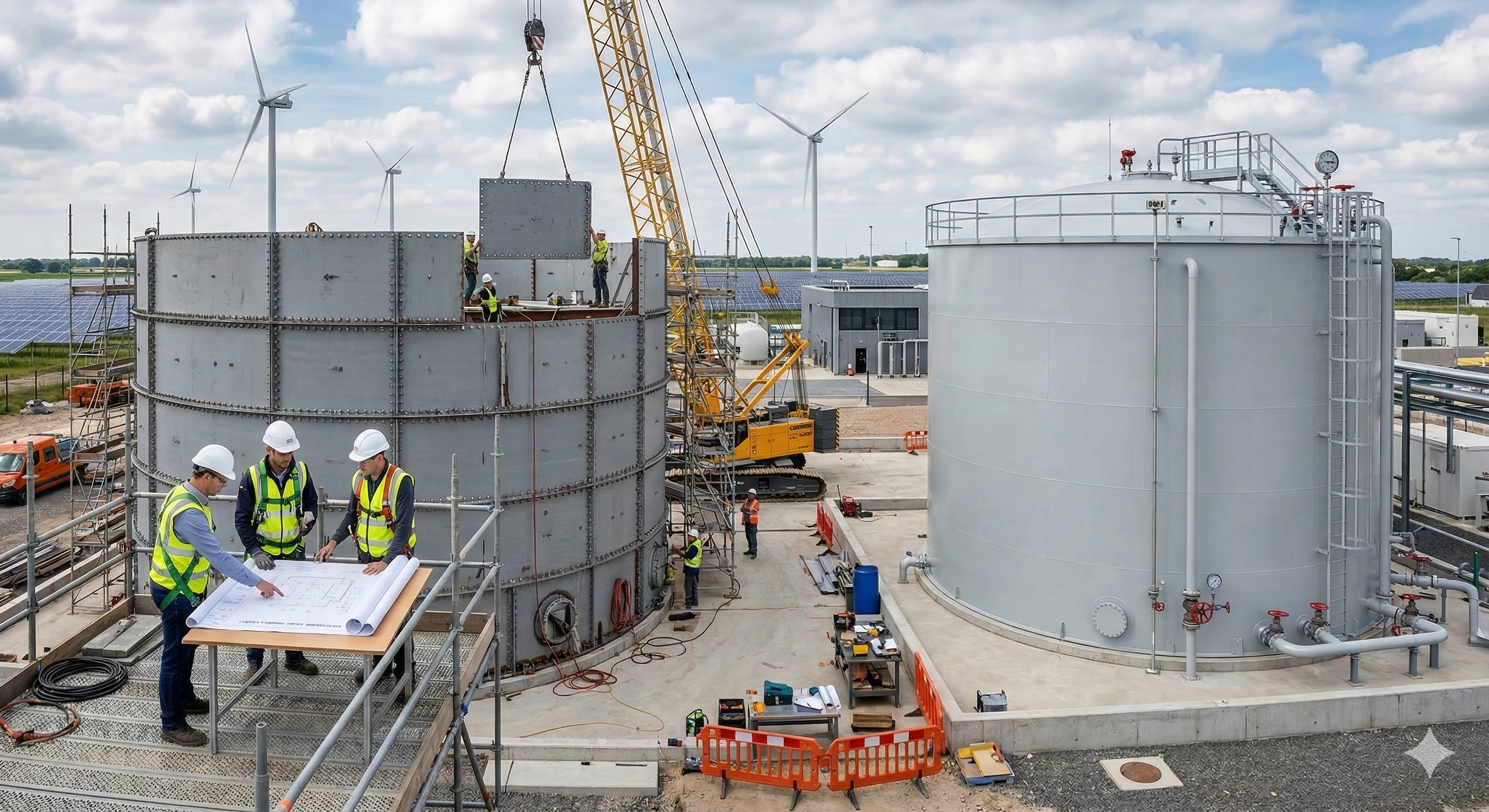
Time is often a critical factor in wastewater projects. Bolted steel tanks are manufactured in panels and shipped to the site in components, where they are assembled efficiently with hand tools. This modular construction process is significantly faster than traditional cast-in-place concrete, allowing the tank to be operational sooner. This rapid installation is especially valuable in retrofitting existing plants or meeting tight project schedules.
Flexible Capacity and Future Expansion
One of the standout perks of bolted tanks is how adaptable they are. Since they're built from standardized panels, you can configure them to handle just about any capacity or layout you need. Many bolted tank designs also let you add extra rings to increase height, or even take them apart and move them somewhere else entirely. That kind of flexibility is a huge win for facilities that are planning to expand over time.
Durable Coatings for Wastewater Environments
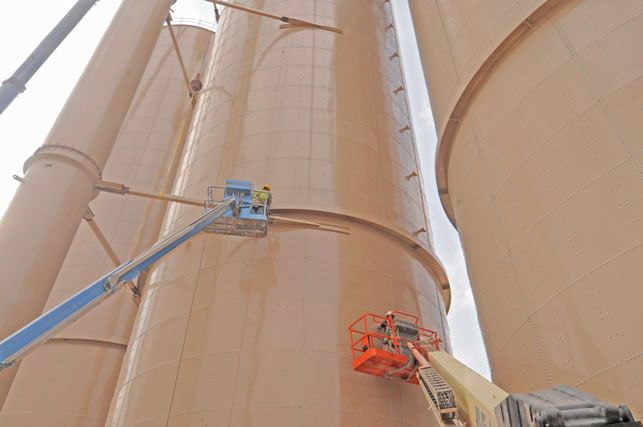
Wastewater is highly demanding on equipment. That's why bolted steel tanks come with durable, factory-applied coatings that are built to handle the chemistry, moisture, and changing conditions of treatment plant life. The result? A rugged, low-maintenance structure that holds up to the elements and keeps performing for decades without demanding a ton of attention.
When Your Project May Need an Equalization Tank
Several practical signs indicate that a project or facility would benefit from an equalization tank. If a treatment plant experiences frequent peak flows that overwhelm its processes, or if batch discharges from an industrial facility create inconsistent influent quality, a tank is likely needed. Other indicators include frequent downstream process upsets, persistent odor issues, and a clear need to protect sensitive biological treatment performance.
Conclusion: Equalization Tanks Help Keep Treatment Stable
Equalization tanks are more than just an extra component in a wastewater treatment train. They provide steady operating conditions that are vital for achieving consistent treatment efficiency, meeting regulatory requirements, and optimizing chemical use. When built as durable, modular bolted steel tank systems, they provide a robust, flexible, and long-lasting solution that supports stable, predictable treatment performance for decades to come.
FAQ
About the author

Energetic and dedicated Operations Leader with more than 20 years of demonstrated results driven experience in fast paced manufacturing environments. Proven skills in building and directing strong teams to achieve challenging objectives.
View all postsRecent Posts
Choosing the Right Dry Bulk Storage Tank: 6 Key Questions

Grain Storage After Harvest: Control Moisture, Temperature & Airflow
What Is Water Conservation? Importance, Storage & Tanks
What to Know Before Building a Tank Foundation