What Is Water Conservation? Meaning, Importance & Tanks
Freshwater is finite, with just half a percent of it accessible for human consumption, agriculture, and commercial operations. Much of the remaining freshwater is locked in glaciers, ice caps, or groundwater that is difficult to access. Ocean water is generally unsuitable for most freshwater applications unless it is desalinated, a costly and energy-intensive process that may be impractical for many operations.
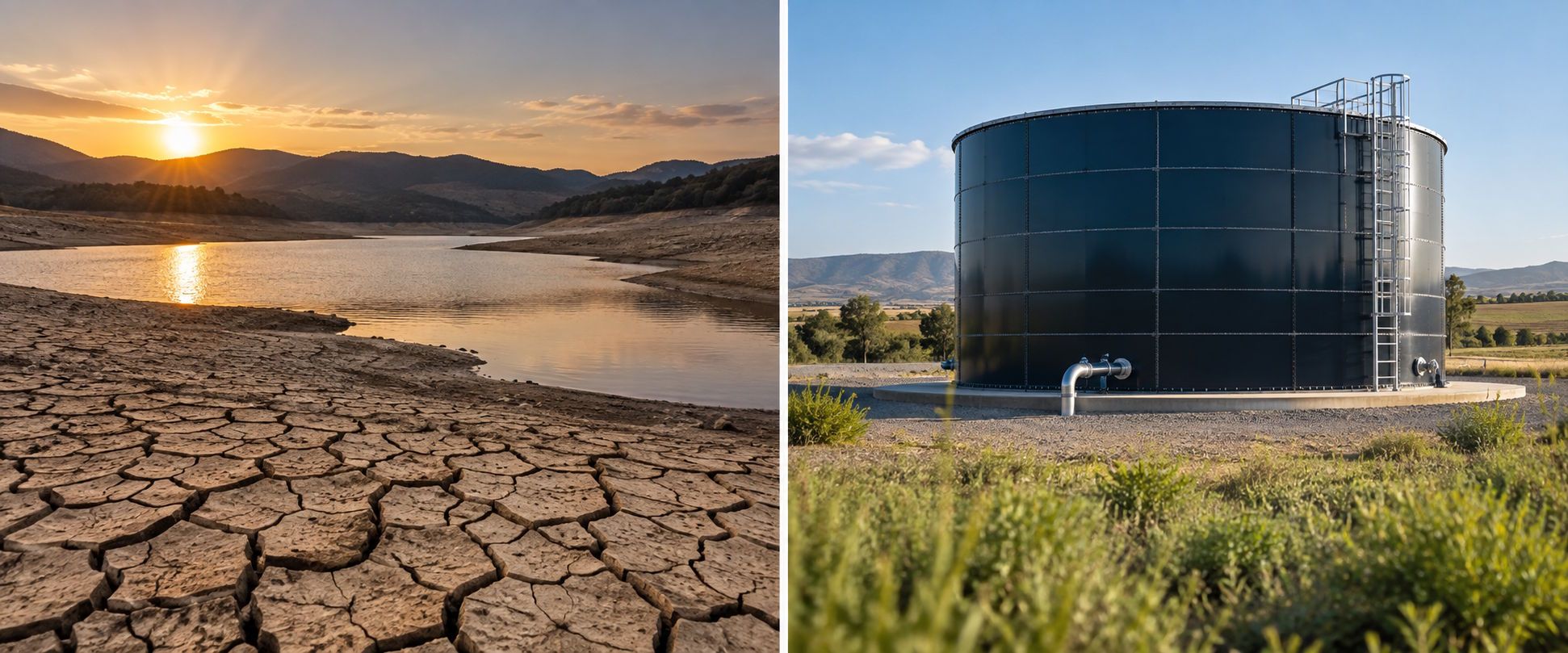
This scarcity partly explain why water conservation is important. But besides scarcity, the latest numbers coming out of the National Drought Mitigation Center are hard to ignore. Roughly 101.8 million people in the U.S. are living in areas currently affected by drought, while nearly half of the country was classified in moderate to exceptional drought.
That said, how do you reduce water loss and improve the reliability of your supply? Keep reading to learn more.
What Is Water Conservation?
Understanding what is water conservation ensures you meet operational demands and guarantee access whenever it is needed. In layman's language, it translates to the responsible use, protection, storage, and management of freshwater resources.
Mainstream discussions often focus on residential habits. People swap out showerheads or run full loads of laundry. That helps. But systemic conservation happens on a much larger scale within municipal, agricultural, and industrial sectors.
What Does Water Conservation Mean in Practice?
Water conservation goes beyond turning off a tap, recycling laundry water in the garden, or simply using less of it:
| Practice | What it means in the real world |
|---|---|
| Reducing systemic losses | Fix leaks first. Treated water bleeding into the soil never reaches a tap. |
| Improving application efficiency | Retire old sprayers. Targeted systems put moisture at the roots, not in the air. |
| Collection | Capture runoff and process streams. Wet-season flow is a resource, not a nuisance. |
| Storage | Engineered bulk storage holds clean reserves without seepage or contamination. |
| Seasonal planning | Build reserves around real peaks: growing cycles, heat waves, fire demand. |
Why Is Water Conservation Important in 2026?
The answer to why is water conservation important is written across the country right now. Moreover, late summer and early fall are especially risky because heat, peak usage, low precipitation, and seasonal dryness converge to strain local supply.
Drought, Heat, and Water Demand
The regional outlook reinforces the point. The Seasonal Drought Outlook expects drought persistence across parts of the Northern and Southern Great Plains, with some potential for development given the lack of wet signals in seasonal forecasts. The Pacific Northwest is favored for warmer, drier patterns and additional drought expansion. The Southeast may see gradual improvement, but reduced tropical activity could slow that relief.
For operations that depend on a steady water supply, these are not idle forecasts. One dry season can be managed. A persistent pattern of heat and dryness demands a different level of preparation. That preparation begins with understanding where water is lost and how storage can bridge the gaps.
Where Water Is Often Wasted or Lost
Water loss can happen due to leaking faucets, pipes, and hoses. In agriculture, inefficient irrigation can increase runoff and evaporation, while outdoor use during hot days can exacerbate losses.
Poor runoff management is another concern. Water that could potentially be collected and managed for later use may instead leave a site without contributing to its available supply.
Older or inefficient infrastructure can compound these problems. Traditional irrigation methods, for example, can waste water through runoff and evaporation, while once-through cooling systems use more freshwater than open recirculating cooling systems that reuse water.
Storage capacity presents another piece of the puzzle. Without sufficient capacity, even water that is available during wetter periods may not be positioned for use when conditions become dry.
Why Storage Is Part of Conservation
Storage supports conservation by separating the timing of water supply from the timing of water demand. A properly designed storage system allows water to be held and managed for a later period. Storage does not eliminate the need for efficient use. Instead, it gives a water management plan another tool for dealing with variability.
What Is a Water Conservation Tank?
A water conservation tank collects, holds, and manages water for future use. That water may include collected rainwater, process water, irrigation water, fire protection reserves, or other non-potable utility water.
The purpose is straightforward: retain usable water so it can be managed according to operational needs instead of relying entirely on a continuous supply.
The appropriate tank depends on what is being stored and how the water will be used. A system serving irrigation requirements will have different considerations from one designed for industrial operations or emergency fire protection.
Common Uses for Conservation Tanks
A water conservation tank is prevalent in irrigation, agriculture, and industrial applications. It is also common in fire protection and other applications where water requirements can fluctuate.
How to Choose the Right Water Conservation Tank
Picking a tank comes down to the site. The right choice depends on the water source, how the water will be used, and the conditions where the tank will sit.
Capacity and Water Demand
Consider how much water needs to be stored, which depends on daily use, seasonal patterns, irrigation cycles, and emergency reserve needs. A facility covering a 30-day dry spell needs something different than one buffering between weekly deliveries. Potable versus non-potable water also changes lining and coating requirements. Go too big and capital is wasted. Go too small, and the tank can't do its job.
Site Conditions and Installation
Site planning should account for the available footprint, foundation requirements, access roads, drainage, and local exposure to wind or seismic conditions.
Installation requirements also matter. Some projects need storage delivered and assembled quickly, while others may need a system that can be expanded as water demand grows.
A tank solution should therefore fit the site as well as the water requirement. Delivery, field assembly, access, and future expansion can all affect the overall practicality of a project.
Material, Coatings, and Long-Term Durability
Tank material and protective coatings are central to long-term performance. Corrosion protection helps protect the tank structure, while appropriate coating systems can support the reliability of the stored water environment.
Durability also matters because conservation infrastructure is intended for ongoing use. A tank that remains serviceable over the long term can provide a more dependable component of a water management system than a solution designed only for temporary needs.
Why Bolted Steel Tanks Support Water Conservation Planning
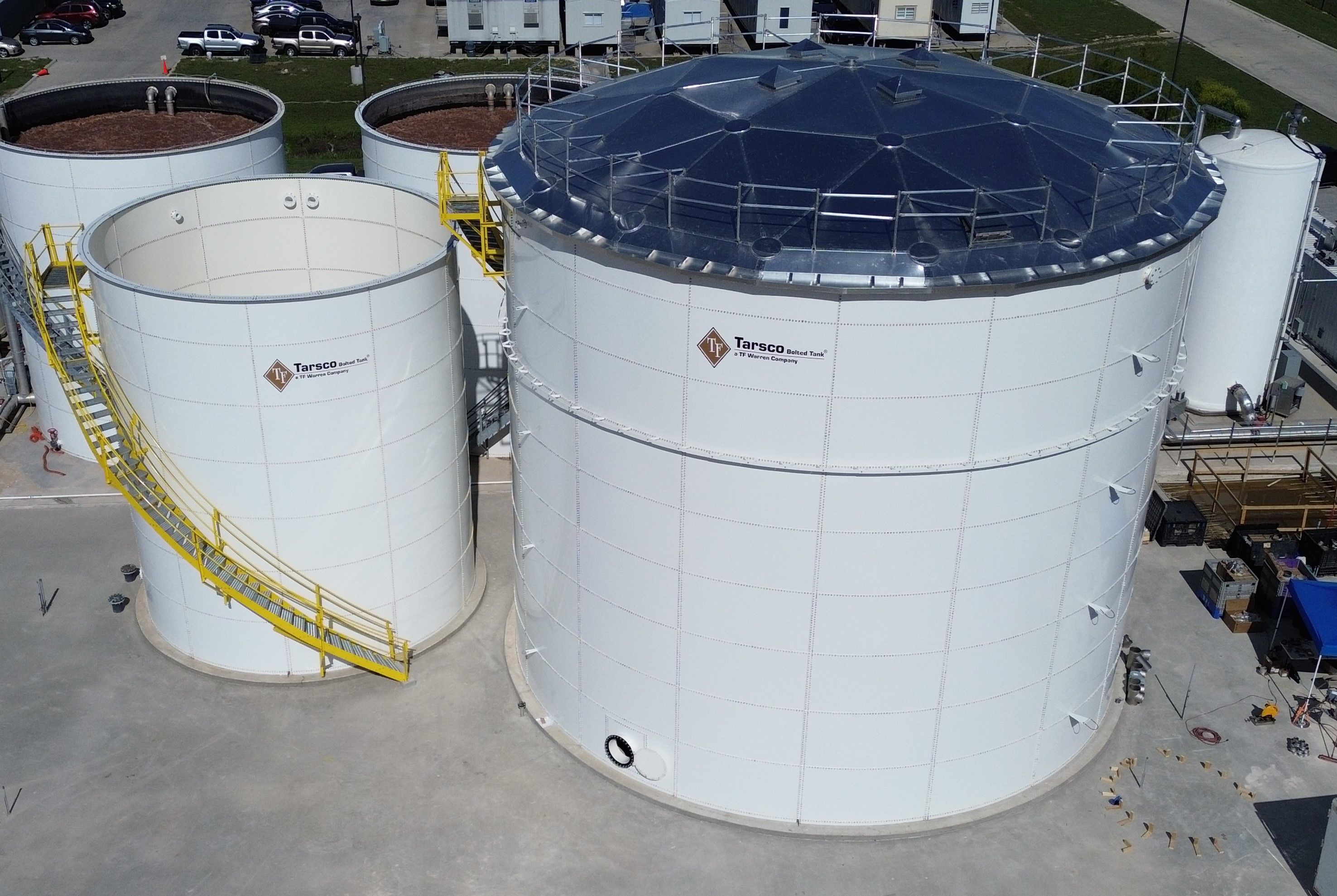
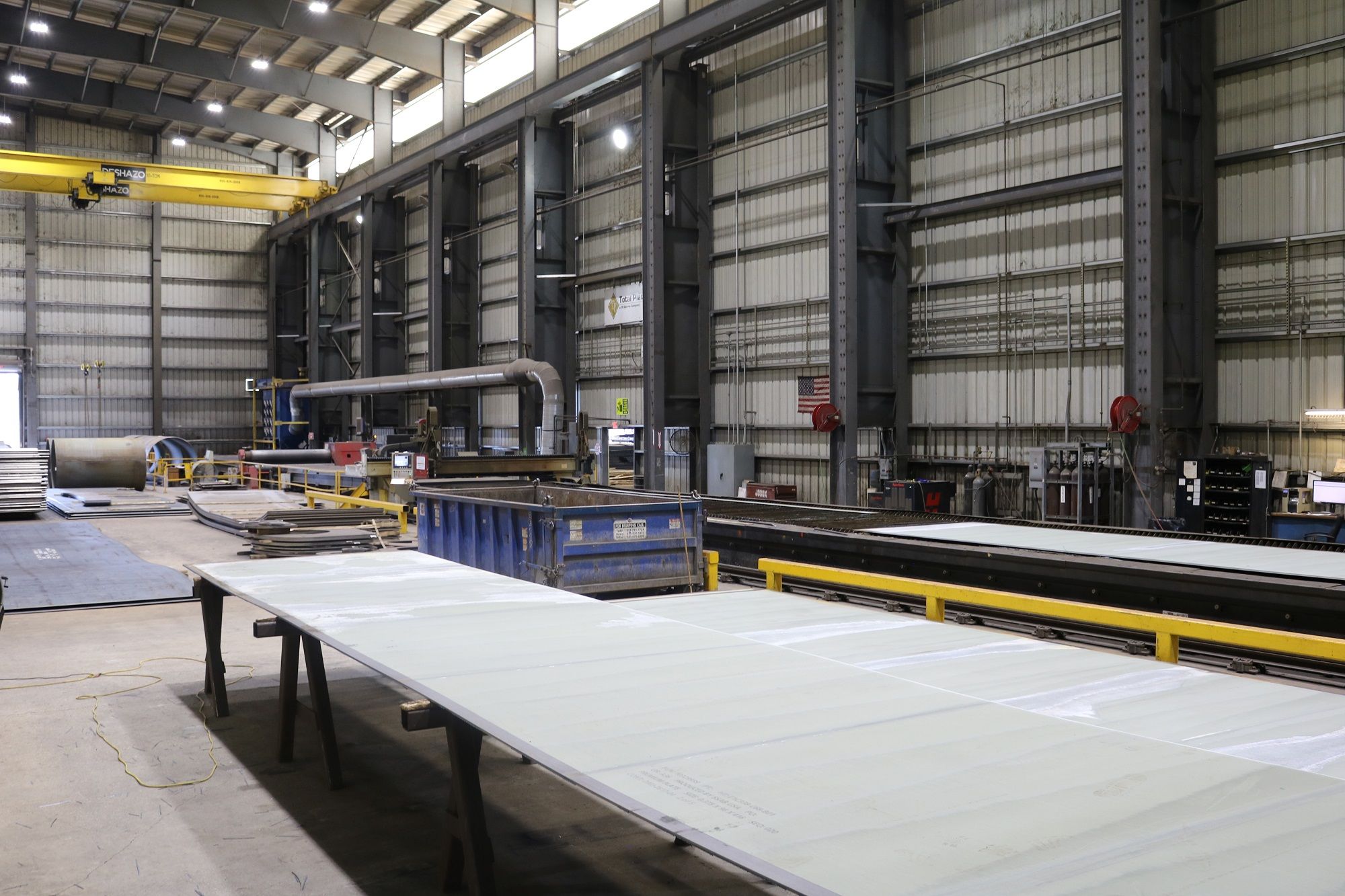
Bolted steel tanks make sense for large-scale conservation projects because they offer durable storage with room to adapt. Panels are built in a controlled factory setting, coated for corrosion resistance, and shipped as modular components for swift assembly on site. That works well when capacity needs are big, and site conditions rule out other tank types.
A Practical Option for Large-Scale Storage
Small containers and rain barrels can be useful for limited collection needs, but larger operations require a different scale of infrastructure.
Communities, agricultural operations, industrial facilities, commercial properties, and other sites may need substantial volumes of stored water to support irrigation, utility requirements, process operations, or emergency reserves. Bolted steel tanks can accommodate these larger requirements while providing a storage system that can be assembled on site and adapted to project conditions.
For Tarsco, that makes bolted steel storage a natural fit within broader water conservation planning. The objective is not simply to hold more water. It is to create dependable capacity that helps a facility manage water availability across changing seasons, demand levels, and weather conditions.
Conclusion: Water Conservation Requires Planning, Not Just Less Use
Cutting waste matters. Improving efficiency matters. But neither gets you far without the ability to store water when it's available and draw on it when it isn't.
The right water conservation tank turns conservation from a good intention into a working system. It allows available or collected water to be stored for later use, holds it through dry periods, and takes pressure off continuous sources during peak demand. For operations dealing with the drought conditions seen across much of the country in 2026, that kind of infrastructure is not simply a cost. It is an investment in resilience.
FAQ
About the author

Energetic and dedicated Operations Leader with more than 20 years of demonstrated results driven experience in fast paced manufacturing environments. Proven skills in building and directing strong teams to achieve challenging objectives.
View all postsRecent Posts
Choosing the Right Dry Bulk Storage Tank: 6 Key Questions
Grain Storage After Harvest: Control Moisture, Temperature & Airflow
What to Know Before Building a Tank Foundation
Emergency Water Storage Tanks: Planning Before a Water Outage