Grain Storage After Harvest: Key Conditions to Control
Corn production reached 1.33 billion metric tons in 2025-2026, an 8% increase over the prior year, according to the U.S. Department of Agriculture. Increases in output have also been observed in wheat and oats production.
With large volumes being harvested and climate patterns shifting, proper grain storage is necessary, especially if the yield is going to retain its quality and fetch premium prices at the market. This article explores what to control, what to check, and how to build a routine that protects crop value, tying directly into modern agricultural storage practices.
Why Grain Storage Conditions Matter After Harvest
Grain is stored for later consumption, processing, or commercial use. Whatever the goal, stored grain remains vulnerable to changes in its surrounding environment.
For instance, excess moisture can contribute to mold, spoilage, and heating. Temperature swings within a grain mass can also create conditions for moisture migration and insect activity.
Other conditions, such as poor sanitation and damaged kernels, can provide a breeding ground for insects, which can cause both physical and quality losses.
Where Grain Is Stored After Harvest
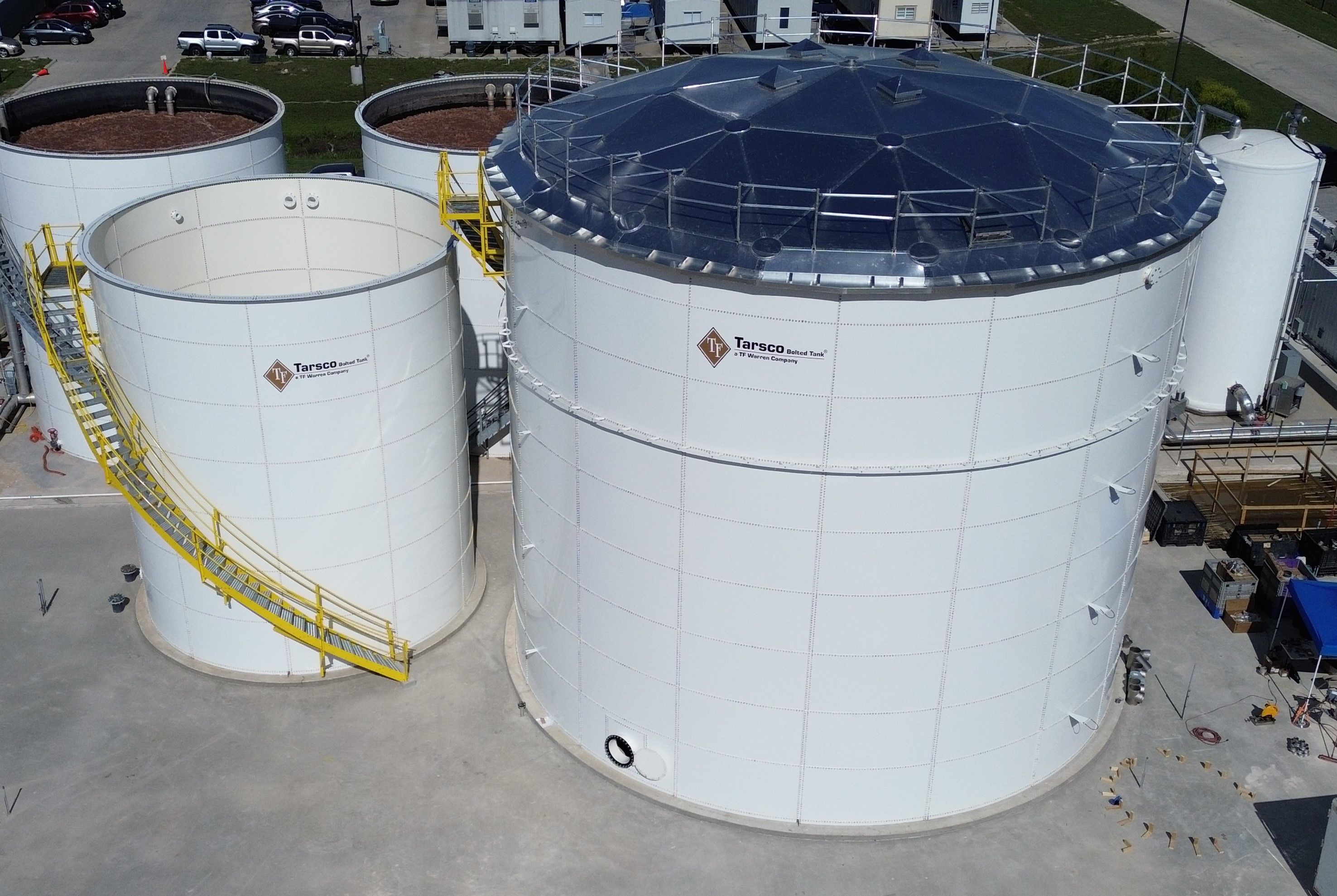
When considering where grains are stored after harvest, common options include silos, bins, and flat storage facilities. Some applications may also opt for other bulk handling systems depending on the volume, crop type, handling needs, or operation size.
However, quality matters more than the underlying structure itself. Well-maintained equipment, functioning aeration systems, adequate vents, and reliable monitoring all contribute to maintaining grain condition.
Why a Grain Storage Silo Needs Active Management
A grain storage silo is more than a container. Its fans, vents, ducts, sensors, access points, and loading and unloading equipment all form part of the storage system.
Loading practices also matter. Grain should not be allowed to build into an uneven peak that restricts effective airflow. Fines can accumulate in areas where they interfere with aeration and create conditions that are more prone to problems.
Meanwhile, regular checks make it easier to identify moisture, temperature changes, insects, odors, or other warning signs before they develop into more serious grain-quality issues.
Key Factors That Protect Grain Quality in Storage
Several conditions work together to determine how well grain remains in condition after harvest. The most important are moisture, temperature, airflow, and continued monitoring.
Grain Moisture Control
The appropriate moisture level also depends on the crop and intended storage period. Current guidance, for example, identifies about 15% moisture as a baseline for short-term corn storage, while longer storage calls for lower moisture. Soybeans are identified at around 14%, with approximately 11% recommended for long-term storage.
Grain Storage Temperature
Temperature is another critical part of maintaining grain quality. Cooler conditions can slow insect activity and help reduce the risk of heating and other storage problems.
Aeration cooling can be used to bring grain down to an appropriate temperature and manage temperature differences within the grain mass. Purdue University recommends cooling grain to 35°F to 40°F in much of the Midwest, with adjustments made when grain will be carried into warmer months.
Temperature should not be considered in isolation. Its interaction with moisture and airflow matters. A change in temperature can also contribute to condensation and moisture movement, making regular checks important.
Grain Aeration and Airflow
Grain aeration helps cool stored grain and maintain more consistent conditions throughout the storage structure. Effective airflow depends on properly functioning fans, ducts, and vents, as well as an unobstructed path through the grain.
Appropriate airflow rates depend on bin design, grain depth, crop type, and the aeration objective. That means fans should be matched to the system rather than assuming that stronger airflow automatically means better aeration.
Grain Storage Monitoring
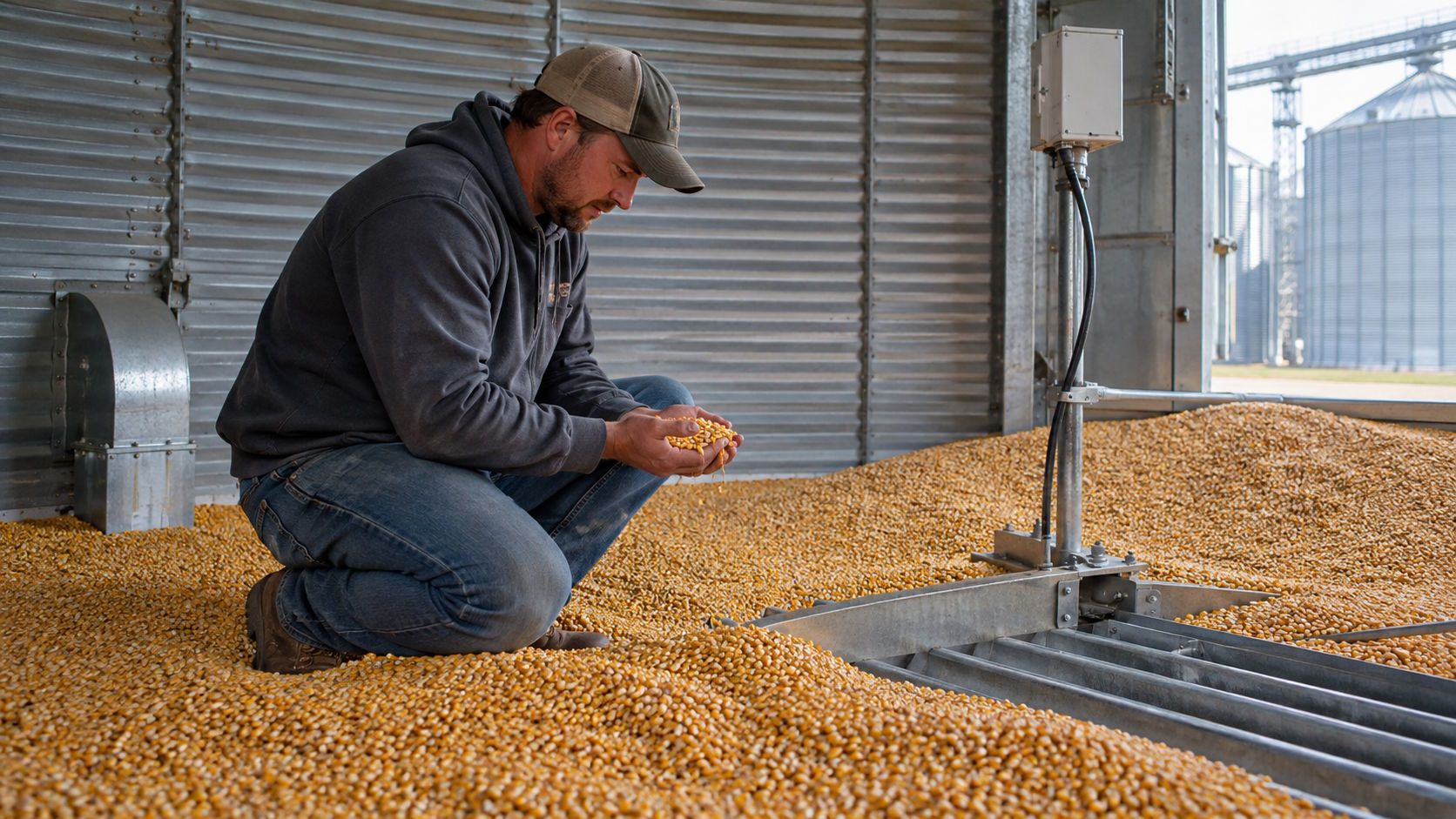
Monitoring ties everything together. For instance, carbon dioxide sensors can provide an earlier warning of spoilage than temperature monitoring alone. Temperature cables provide a picture of conditions inside the grain mass. Similarly, moisture sensors show whether grain is gaining or losing moisture.
But monitoring isn't just about sensors. It's also about regular physical checks. Smelling the air around the bin, looking for condensation on the roof, checking for crusting on the surface, and inspecting for insects are all part of the routine, supported by professional Inspection & Testing services.
How Long Can Grain Be Stored in Silos?
There is no universal answer to how long can grain be stored in silos. The better question is how long can you store grain in a silo, given the conditions you've created. These include crop type, moisture level, temperature, aeration, cleanliness, and how frequently the grain is inspected.
The intended storage period should be considered before the grain enters the silo. Grain held through colder months can have different requirements from grain that remains in storage through warmer weather.
Lower moisture and controlled temperatures generally provide better conditions for longer storage, while effective aeration helps maintain those conditions. Clean equipment also reduces the risk of insects and contamination, utilizing durable materials like Stainless Steel Bolted Tanks or Powder Coated Tanks.
Preparing the Grain Storage Silo Before Loading
Start by removing old grain, fines, dust, and other residues from bins, handling equipment, and surrounding areas. Cleaning also provides a better opportunity to inspect surfaces and components that may otherwise be hidden by accumulated material.
When it comes to structural checks, pay attention to doors, hatches, seals, roof openings, vents, and other areas where water or insects could enter. Aeration equipment should also be tested before it is needed.
What to Check Before the Next Load
Before the next load goes in, walk through the entire system and:
Inspect doors, latches, and seals: They should close and secure properly. Check anchor bolts and the foundation (backed by professional Tank Foundations engineering) for visible cracking or deterioration.
Look at grain handling equipment: Grain legs, conveyors, augers, and unload systems all experience wear. Worn auger flighting reduces capacity and damages grain. Belts and buckets in grain legs can fail at the worst possible time.
Check aeration and ventilation systems: Inspect transitions and ducts for damage or blockages. Check fan blades for damage or buildup. Look inside control panels for dust, corrosion, or loose connections. Test fans and have electrical components inspected as appropriate to confirm proper operation.
Test monitoring equipment: It's easier to address sensor problems when bins are empty. Verify that temperature cables, moisture sensors, and carbon dioxide monitors are working correctly.
Review safety equipment: Inspect ladders, platforms, guards (such as those integrated with Silo Steel Support Structures), and emergency shutoffs. Make sure everyone who works around the system understands lockout/tagout procedures and grain bin entry rules.
Conclusion: Better Storage Planning Protects Crop Value
A prepared silo, a clean system, and a regular inspection routine reduce the risk of quality loss. They also protect the value of the crop. Grain that holds its quality can be sold when the market is right. Grain that loses quality gets sold at a discount, if it sells at all.
The work of storage doesn't end when the bin is full. It continues through the storage period, with regular checks and adjustments as conditions change. That's what separates grain that holds its value from grain that becomes a problem, aided by ongoing Repair & Maintenance solutions.
FAQ
About the author

Energetic and dedicated Operations Leader with more than 20 years of demonstrated results driven experience in fast paced manufacturing environments. Proven skills in building and directing strong teams to achieve challenging objectives.
View all postsRecent Posts
Choosing the Right Dry Bulk Storage Tank: 6 Key Questions
What Is Water Conservation? Importance, Storage & Tanks
What to Know Before Building a Tank Foundation
Emergency Water Storage Tanks: Planning Before a Water Outage