Common Bulk Material Storage Problems and How to Prevent Them
A silo can run fine today or even for seasons down the line. But that doesn't mean you won't find an outlet plugged or a feeder surging at some point in its service life. According to the American Society of Appraisers, steel and concrete silos used in cement manufacturing have an estimated normal useful life of 30 to 40 years, depending on operating conditions and maintenance.
Understanding why dry bulk tanks require special care and how different materials behave in storage is essential to keeping these systems operating reliably over time. Here is a quick guide to get you started.
Why Dry Bulk Storage Tanks Require Special Care
Most operators who face a bulk material handling problem understand that it can emanate from poor handling or the storage tank itself. Unlike liquids, solid particles have definite size, shape, moisture content, and bulk density. Particle size and shape influence how bulk solids move through storage systems. Fine materials such as cement and fly ash can become more difficult to discharge as moisture increases, leading to compaction, bridging, or blockages.
The tank needs to be designed around the material it will hold. Flow testing helps identify several properties that influence storage and discharge:
- Compaction and bulk density: How tightly material packs during storage and how its density changes.
- Wall friction: How easily material moves against tank walls, helping determine suitable hopper slopes and internal liners.
- Air permeability: How air passes through fine powders, which can affect their behavior during discharge.
These findings help engineers determine whether a hopper needs steeper walls, whether the outlet is large enough, and whether the discharge equipment can withdraw material evenly. They also inform the selection of construction materials.
Common Problems in Dry Bulk Storage Tanks
Dry materials like grain can compact when loaded or respond adversely to changing environmental conditions. Besides affecting discharge, this can compromise product quality or accelerate equipment wear. But there are other dry bulk materials handling problems to worry about, including:
Bridging and Ratholing
Bridging occurs when material forms an arch over the outlet, stopping product above it from moving. Ratholing, however, occurs when the material exits through a narrow channel while the product around the walls remains stagnant.
These are common bulk material flow problems with cohesive powders and fine particles. An outlet that is too small, shallow hopper walls, or prolonged compaction can contribute to either condition.
Discharge becomes intermittent, operators intervene more frequently, and material levels remain high despite the feeder running. Mass flow can reduce stagnant zones by moving material along the hopper walls, while funnel flow can leave peripheral material behind.
Moisture Buildup and Material Caking
Moisture can enter through condensation, humid air, or absorption during storage. For products such as lime and other fine materials, that moisture can produce clumps and deposits that narrow the discharge path. Measures like sealing, ventilation, and appropriate dust collection can help maintain the intended storage environment.
Uneven Discharge and Material Segregation
A tank can have a suitable hopper and still discharge unevenly if the feeder withdraws material from only part of the outlet. A mass-flow hopper can then behave more like a funnel-flow system, leaving stagnant zones behind.
Segregation creates another problem. Differences in particle size can cause fines to collect in one area while coarser particles move elsewhere. That can change material density or composition at discharge.
For cement, minerals, and other dry solids, inconsistent feed can affect the downstream process.
Dust Accumulation and Equipment Wear
Fine powders create dust during filling and discharge, while abrasive products can wear hopper walls, outlets, and feeders. As surfaces wear, wall friction can change, and deposits can build around transition areas.
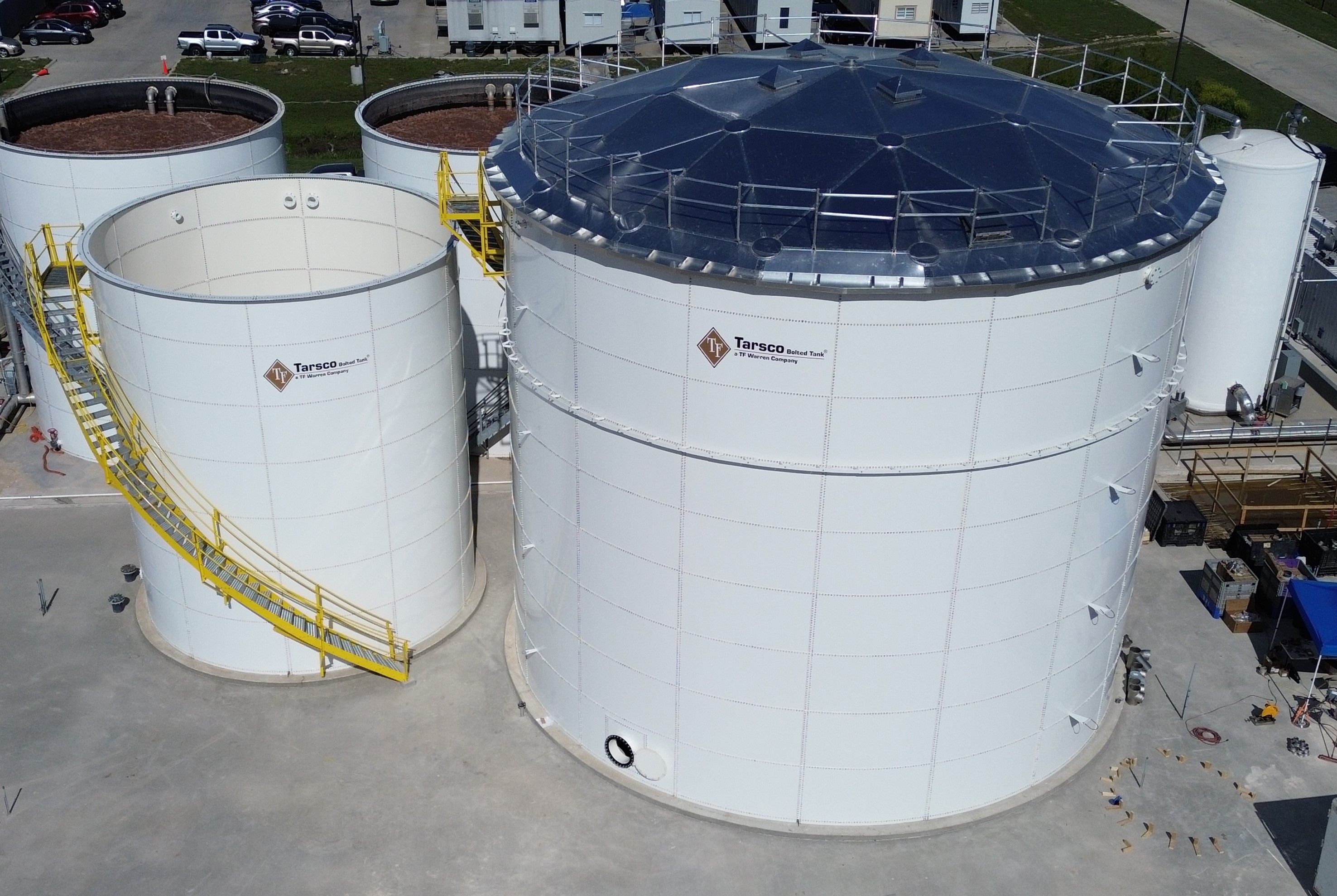
Tarsco can incorporate internal wear liners based on project requirements and offers carbon, stainless, and galvanized steel construction. Its factory-applied epoxy powder coating with thermal fusion bonding provides additional surface protection.
Internal surfaces are part of the flow system, so their condition can affect discharge and equipment life.
How to Prevent Dry Bulk Tank Storage Problems
Preventing flow problems in powder bulk handling systems starts well before a tank is put into service. The right design, suitable operating conditions, and regular maintenance can help keep material moving and avoid costly interruptions.
Choose the Right Tank and Hopper Configuration
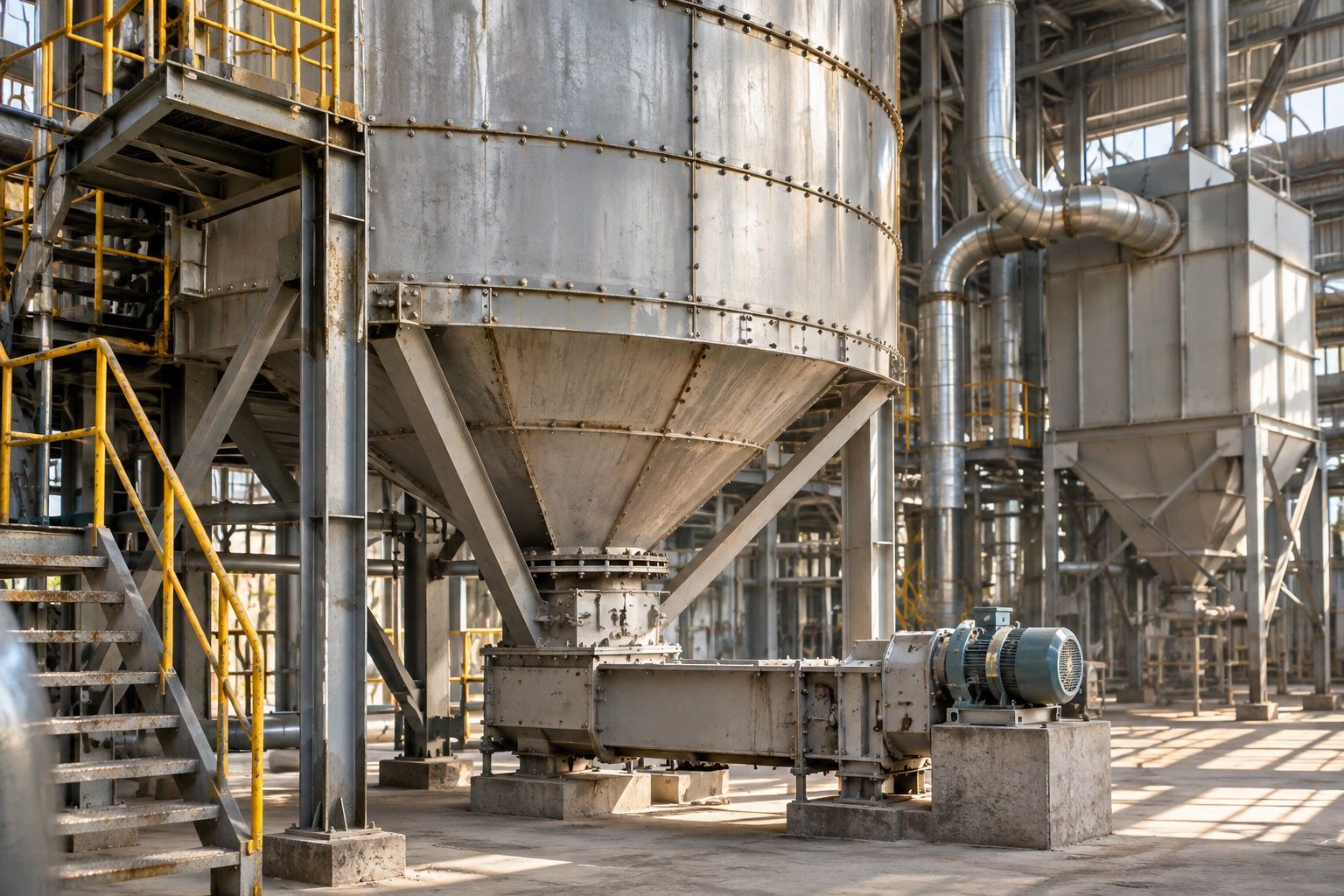
Tank capacity is only one consideration. Hopper angle, outlet size, wall friction, and feeder design must match the material's measured flow properties.
| Flow Pattern | Suitable Materials | Key Characteristics |
|---|---|---|
| Mass Flow | Cohesive or segregation-prone materials | Material moves along hopper walls, reducing stagnant zones. |
| Funnel Flow | Coarse, free-flowing, nondegradable materials | Material flows through a central channel and may remain near the walls. Suitable when segregation is not a concern. |
Tarsco's dry bulk storage tanks use hopper-bottom and flat-bottom configurations, including mechanical or pneumatic reclaim for large-volume storage. Its systems can also use mass-flow, funnel-flow, and aeration-cone arrangements.
Control Moisture and Dust Inside Storage Tanks
Keeping a powder dry involves more than preventing water from entering. Air movement, condensation, ventilation, and storage time can all affect conditions inside the vessel.
Sealed construction can limit moisture intrusion, while appropriate ventilation and dust collection help manage pressure and airborne material during filling and discharge. Controlled aeration can assist flow without creating an uncontrolled discharge.
A different supplier or particle-size distribution can alter flow behavior even when the tank and operating procedure remain the same.
Dry bulk material storage starts with stable conditions and routine monitoring. Changes in moisture, dust behavior, or discharge rate can provide an early warning that the material is no longer behaving as expected.
Establish Regular Tank Inspection and Maintenance
Regular inspections should focus on the following areas:
- Tank walls and seals: Check for visible deterioration, damage, or signs of leakage.
- Hopper surfaces and outlets: Look for material buildup, excessive wear, or residual material.
- Feeders: Monitor changes in feeder load and discharge rate that may indicate developing flow problems.
- Dust collection equipment: Check for dust accumulation, wear, and visible damage.
These observations can help identify developing problems before they interfere with normal discharge.
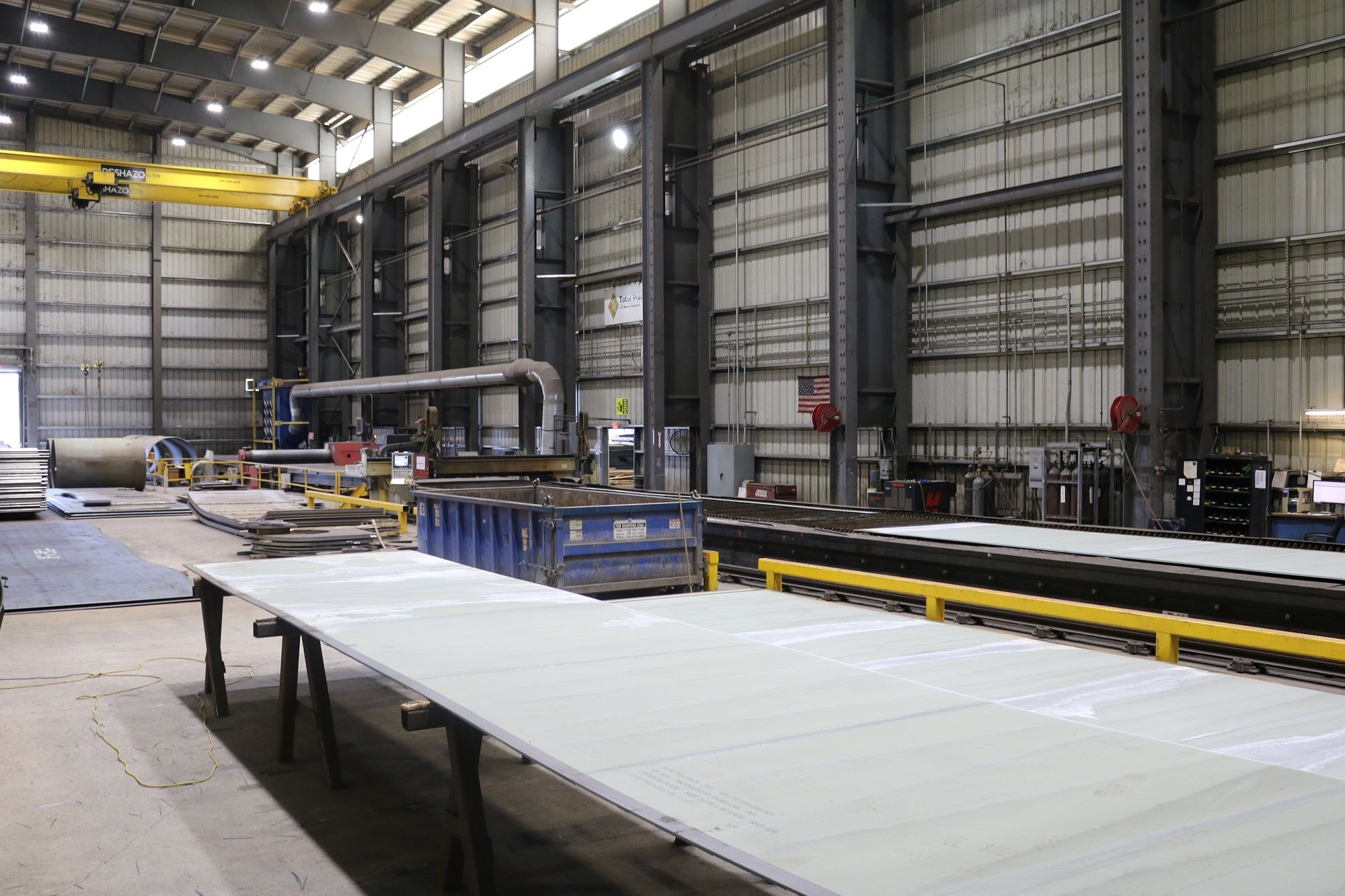
Tarsco uses bolted steel panels with gasketed seams and precision-cut components, while its erection systems use modular panels and jacking systems for rapid installation. OSHA-compliant ladders, handrails, access hatches, and platforms can be incorporated into the system.
Maintenance should not become improvised blockage removal. Silo entry and removal of unstable material require appropriate professional safety procedures.
What to Do When Dry Bulk Tank Discharge Problems Persist
Recurring discharge problems deserve investigation rather than repeated clearing. The following warning signs can help identify potential causes:
| Warning Sign | Possible Cause |
|---|---|
| Repeated bridging above the outlet | Undersized outlet or material compaction |
| Ratholing or excessive residual material | Insufficient hopper slope or high wall friction |
| Surging or inconsistent discharge | Uneven material withdrawal by the feeder |
| Material remaining near hopper walls | Funnel-flow conditions or unsuitable hopper geometry |
As explained by the American Institute of Chemical Engineers (AIChE), hopper geometry, outlet sizing, wall friction, and feeder operation are important factors in preventing flow problems in bulk solids handling.
A proper evaluation gives engineers a basis for checking the hopper, outlet, and feeder as one system. It is more useful than repeatedly changing operating settings or adding flow aids without identifying the underlying cause.
Tarsco provides design, fabrication, and erection as a single-source service. Its tanks can be configured around material and operating requirements.
Conclusion: Better Tank Design Helps Prevent Storage Problems
A storage problem rarely begins when an outlet blocks. Earlier signs include changing discharge rates, increasing residue, unstable feeder loads, and dust accumulation.
A suitable hopper, correctly sized outlet, and compatible feeder can significantly reduce the risk of common discharge problems. Wear liners and suitable construction materials can also preserve equipment.
The overall takeaway of bulk solids material handling is simple: design around the material's actual behavior. Controlled conditions and regular inspection provide another layer of protection.
For facilities facing persistent handling problems, professional evaluation can be more effective than repeated emergency intervention. The right design can reduce downtime, protect product quality, and keep material moving reliably when the process needs it.
About the author

Energetic and dedicated Operations Leader with more than 20 years of demonstrated results driven experience in fast paced manufacturing environments. Proven skills in building and directing strong teams to achieve challenging objectives.
View all postsRecent Posts
Tarsco Engineering Capabilities

How to Perform an Oil Tank Inspection: What to Review
How to Keep a Water Tank From Freezing: Tank Planning Guide
Choosing the Right Dry Bulk Storage Tank: 6 Key Questions