
Rural Tanks Guide: Why Choose Bolted Steel Storage
Out in the countryside, water doesn't come from a pipe in the street. It comes from a well, a pond, or a storage system set up to hold enough to get through dry spells. Farms, ranches, and remote properties all depend on rural tanks that can take whatever the weather throws at them, handle the ups and downs of demand, and keep going year after year without needing constant fussing.
Among the storage options available, bolted steel tanks have earned a reputation for handling the specific challenges of remote properties better than most.
What Are Rural Tanks and Where Are They Used?
Rural tanks are storage systems built for properties without municipal water to fall back on. You'll find them on farms, ranches, agricultural operations, and off-grid sites where having water on hand isn't optional. These aren't the same as tanks you'd see in a suburban backyard or an industrial park. They need to hold up under harsh conditions, limited access for maintenance, and delays in emergency repairs or technical support.
Common Rural Tank Applications
Rural tanks get put to work in all kinds of ways out on remote properties. Each use has its own demands, and the tank that works great for one thing might not be the right fit for another.
Fire protection is a big one. Out in the country, there's no fire hydrant on the corner. When a fire starts, the water in the tank may be the only thing standing between a small incident and a total loss. Having that reserve on hand gives a fighting chance to keep structures and livestock safe.
Irrigation is another major use. Reliable water storage allows farmers to stretch their growing season. This protects yields during dry stretches that would otherwise hurt production.
These tanks are also used for livestock operations and potable water storage. This keeps animals healthy and provides a critical water supply for homes, barns, and work facilities that are not connected to municipal water lines.
In addition to these applications, the tanks can be used to capture runoff for later use around the property, providing a buffer when wells run low.
Why Remote Properties Need Reliable Water Storage
Rural properties come with their own set of headaches that urban properties don't have to deal with. No municipal water lines. If the well quits or the tank springs a leak, there's no calling the city to turn the water back on. It's all on the property owner to figure it out.
Getting repairs done is another challenge. The nearest technician might be an hour or two away, and that's on a good day. A service call that would take thirty minutes in town can eat up half a day just in travel time. And those travel charges add up fast. When something breaks, it's not just the repair cost; it's the time and mileage too.
Water demand out in the country isn't steady either, depending on the season. Farm tanks have to handle those peaks and valleys reliably. When they fail at a critical time, the consequences can be severe. Cattle go thirsty. Crops start wilting. And that fire protection water turns out to be essential when a grass fire starts moving across the pasture.
Why Bolted Steel Is a Strong Choice for Rural Tanks
Bolted steel tanks have gained popularity for rural applications because they combine durability with practical advantages that matter in remote settings. The modular nature of these tanks makes them workable for locations where other tank types would be impractical. They can handle the temperature swings, wind exposure, and UV radiation common in rural environments, and they provide a long service life without the constant maintenance that other materials require.
Easier Delivery and Installation
Getting a large tank to a remote property is often the first hurdle. Bolted steel tanks arrive as kits of preformed panels that can be transported on standard trucks, making them far easier to ship than pre-built welded tanks or the massive amounts of material required for concrete construction.
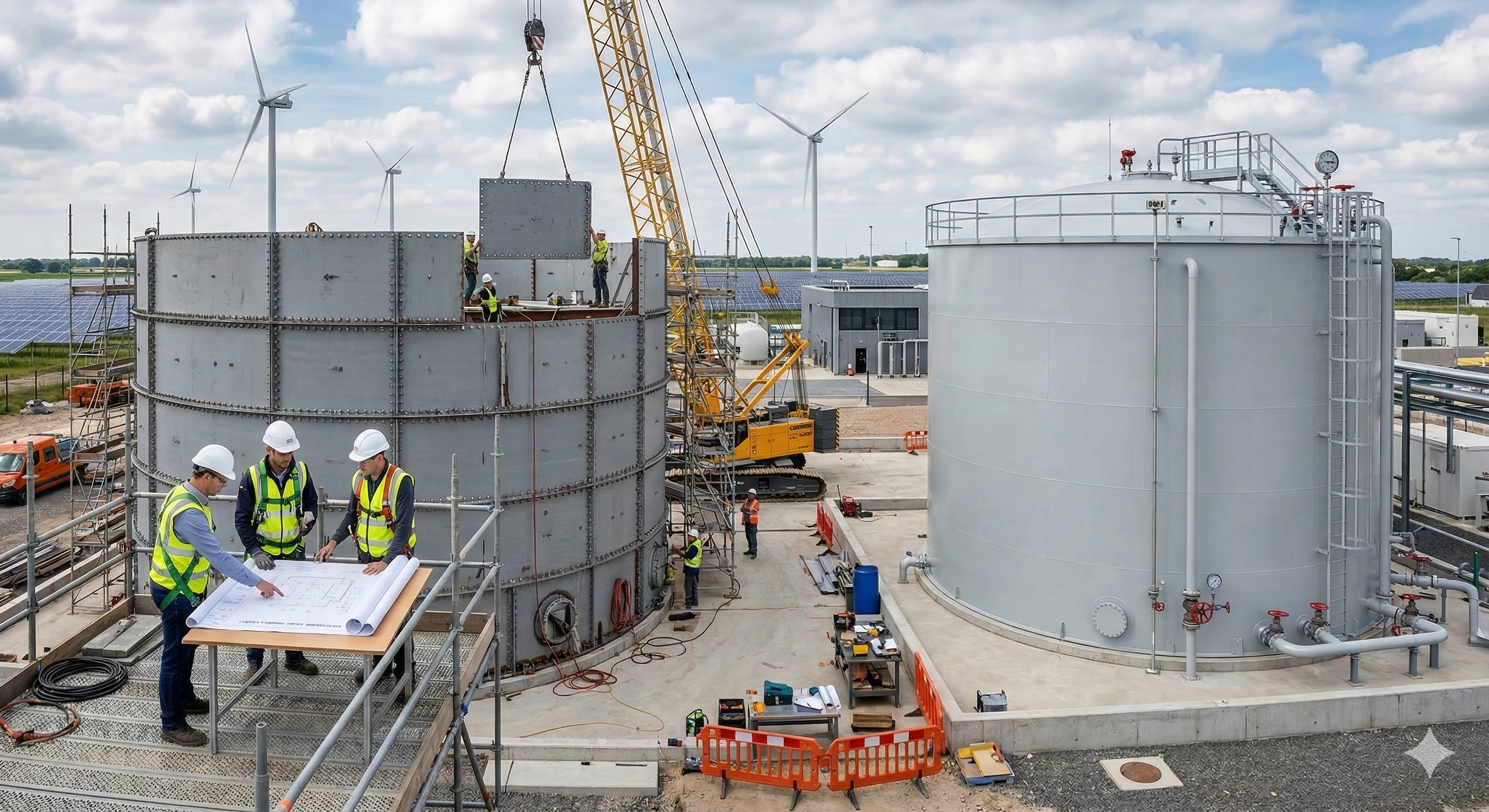
Once on site, assembly can be accomplished with a modest crew and minimal heavy equipment. The components are designed for rapid bolt-together assembly on any firm, level site, which is particularly valuable when access is limited. There's no need for extensive welding equipment, specialized crews, or perfect weather conditions to proceed with installation.
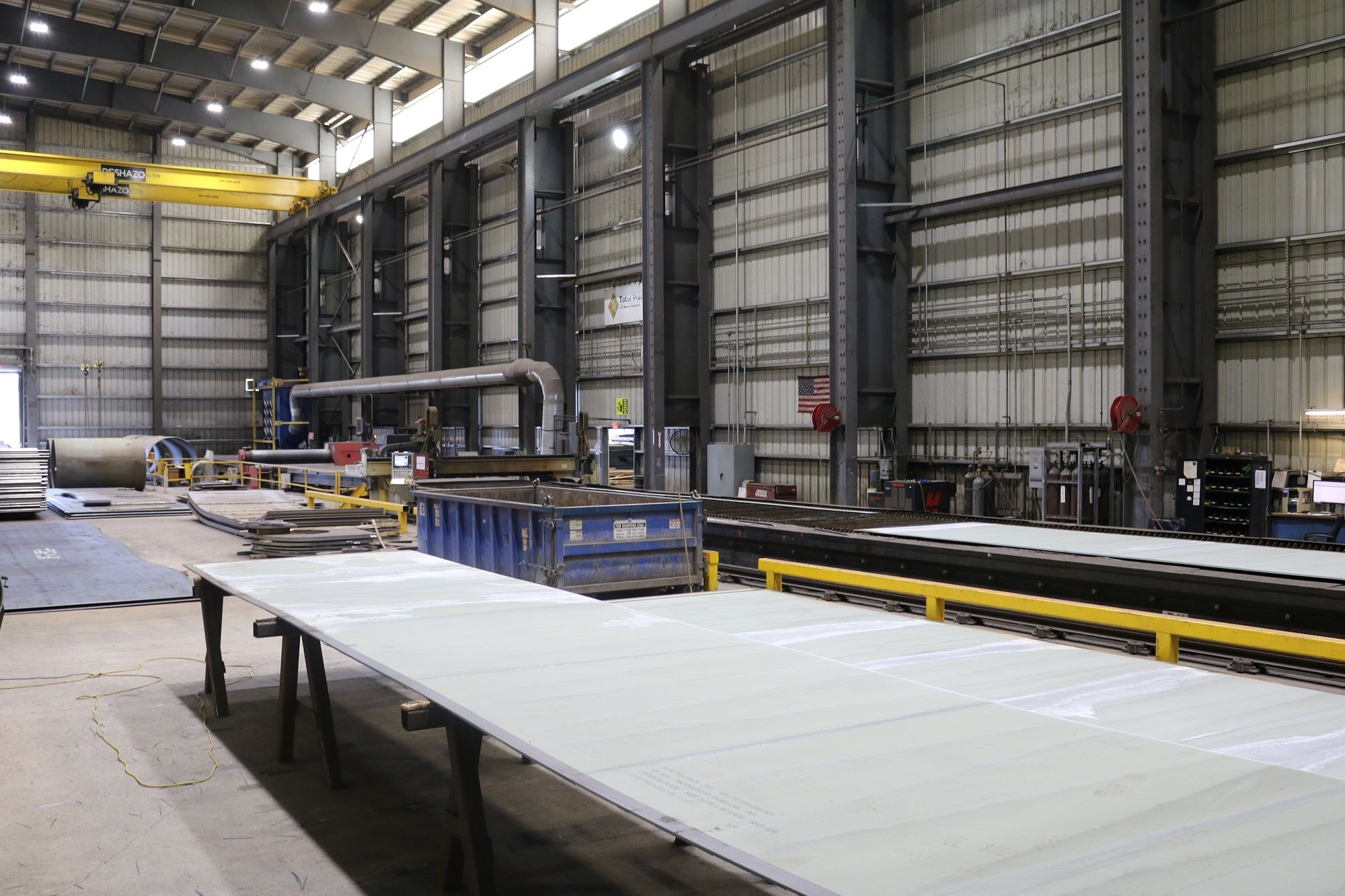
The prefabricated nature of the system also means manufacturing quality is controlled in a factory environment, which avoids the variability that can come with field construction.
Long-Term Durability in Rural Conditions
Farm tanks sit outside in the blazing summer heat, freeze through winter cold snaps, and catch wind from every direction. If it’s going to last out in the countryside, it has to be built tough enough to handle all of that without falling apart after a few years.
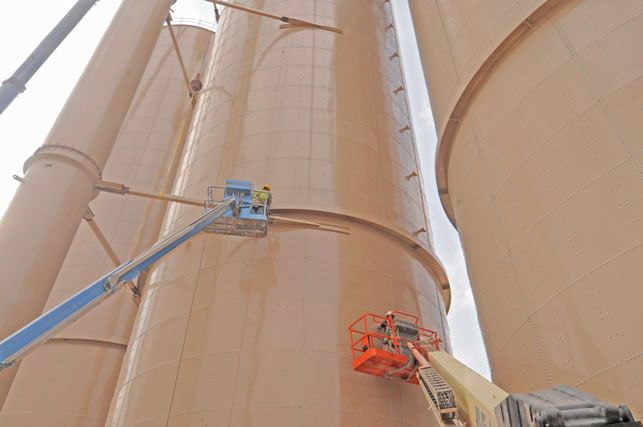
Bolted steel tanks are designed with this in mind. The panels get their coating before they ever leave the factory, in a controlled setting where the finish is applied correctly. Unlike field-applied coatings or sealants, factory-applied finishes are more consistent and corrosion-resistant from day one.
These tanks have also served rural properties for decades without major issues. Some other tank types need frequent patching, recoating, or even full replacement after a certain number of years. Bolted steel tanks typically require less frequent major maintenance when properly inspected and maintained. As long as they're looked after, they keep doing their job season after season.
What to Consider Before Choosing a Rural Tank
Selecting the right tank for a rural property starts with understanding the specific requirements of the operation:
- Required capacity: The most obvious factor, but it's not the only one.
- Intended use of the stored water: Potable water demands different considerations than irrigation or fire protection.
- Site access: This determines which equipment can reach the site and how materials can be delivered.
- Foundation conditions: Affect the type of base needed and the amount of preparation required before installation can begin.
- Local climate: Influences the need for insulation, heating, or special coatings to handle extreme temperatures.
- Coating needs: Depend on the water chemistry and environmental exposure.
- Future expansion: Worth considering if the operation is likely to grow. One advantage of bolted steel tanks is that they can often be raised by adding additional panel rings.
What Is a Tank Farm and When Does It Apply?
Large rural properties sometimes reach a scale where a single tank isn't enough. This is when the concept of “what is a tank farm” comes into play. A tank farm is simply a site containing multiple aboveground storage tanks used for bulk storage of fluids such as water, fuel, or chemicals.
In a rural context, a property might need separate tanks for different purposes: one for potable water, another for irrigation, a third for fire-protection reserves, and perhaps additional tanks for livestock operations. Grouping these together in one location creates an efficient storage hub that serves the property's various needs.
Tank farms are also common in agricultural regions where fuel storage for equipment is necessary, with propane or diesel stored in dedicated tanks alongside water reserves. For operations that have grown to require multiple storage units, consolidating them into a tank farm simplifies management and maintenance.
Maintenance Tips for Rural Tanks
Pay attention to the coating. This might break down over time when exposed to chemicals and weather. Catch it early, and it's an easy fix.
Next, watch out for leaks. Check the seams, bolt holes, and fittings through the wall to ensure no water is seeping out anywhere.
Other rural tanks maintenance priorities include rust and sediment buildup. If rust appears, address it before it spreads. Similarly, sediment buildup reduces usable storage capacity and can affect water quality, taste, and appearance.
Also, keep access points clear. Vents should stay open and working, overflow lines should flow freely, and the foundation beneath ought to remain solid.
Conclusion: Choosing the Right Rural Tank System
For rural properties where water security is not optional, bolted steel tanks offer a straightforward path to reliable storage that supports operations for years to come. They arrive as modular components that can be delivered and assembled without the logistical nightmares that come with large prefabricated tanks or cast-in-place concrete.
They also provide the strength of steel with factory-applied, consistent corrosion protection. And when capacity needs change, they can be expanded, disassembled, or even relocated.
About the author

Energetic and dedicated Operations Leader with more than 20 years of demonstrated results driven experience in fast paced manufacturing environments. Proven skills in building and directing strong teams to achieve challenging objectives.
View all postsRecent Posts
Choosing the Right Dry Bulk Storage Tank: 6 Key Questions
Grain Storage After Harvest: Control Moisture, Temperature & Airflow
What Is Water Conservation? Importance, Storage & Tanks
What to Know Before Building a Tank Foundation