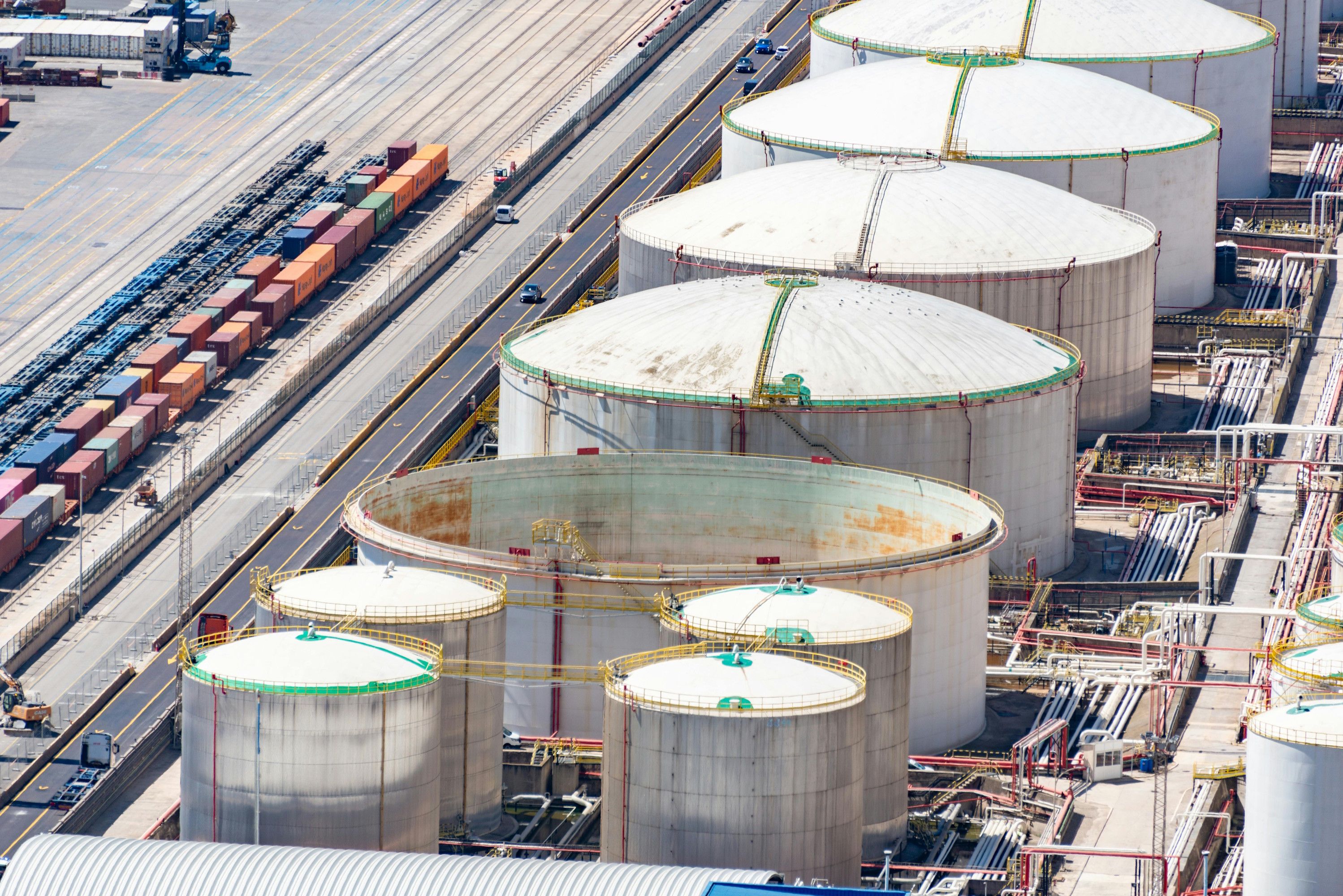
Fuel Storage Tank Entry Planning: Choosing the Right Safety Gear
Selecting entry and fall protection equipment for fuel storage tank work is a life-critical employer responsibility, especially where confined space entry and work at height are involved. This guide outlines essential equipment categories, how site conditions influence selection, and what employers must verify to ensure safe and compliant operations.
Why Safe Entry Equipment Is a Life-Critical Decision
Fuel storage tank entry combines multiple high-risk conditions in one environment. High risks of confined space incidents, fire, and fall from height make the reliability of equipment used absolutely critical. In such situations, the employer is obliged to ensure that each and every employee has adequate equipment.
Equipment should be selected for safe and reliable operation, even in stressful conditions, not just for ease of use. The durability of equipment is another aspect, as it is likely to operate in a toxic chemical environment.
Non-compliance with relevant standards cannot be viewed simply as a paperwork issue, as failures in confined spaces can spread rapidly. The selection of proper respiratory equipment, gas detection systems, and storage tank fall protection devices can make the difference between a minor and a deadly incident.
What Safe Entry Equipment Usually Includes
Fuel tank entry requires multiple equipment systems working together. Each component should be used to address the specific risks. Neglecting one of these aspects will certainly cause vulnerabilities to go unnoticed.
Respiratory Protective Equipment
Protecting yourself against respiratory hazards is a must when handling fuel fumes in confined space environments. The use of full face masks with organic vapor cartridges will suffice in controlled areas. But, in high-risk settings where the level of oxygen is unknown, SCBA equipment would provide a safe alternative by supplying independent air.
Protective Clothing for Fuel Tank Work
It becomes necessary to wear protective clothing to protect against any possible chemical or physical hazard. Protective clothing includes chemical suits, gloves, goggles, hard hats, and safety boots made out of materials that resist hydrocarbons, fire, and static electricity.
Fall Protection and Anchorage Planning
When working within or around the tanks, there is a potential fall hazard due to the height involved. Slippery coatings and curved surfaces also create difficulties in footing. Body harnesses are common. However, it can only be useful in conjunction with well-defined anchoring points. Anchorage points must be established before entry.
Gas Detection and Oxygen Checks
Atmospheric monitoring is an ongoing task that cannot be done once. Multi-gas detectors are employed to detect oxygen content, combustible gases, and other substances that are toxic, including benzene and hydrogen sulfide. An oxygen deficiency itself is capable of causing a threat to life immediately, regardless of the presence of any toxic fumes.
Hoisting and Retrieval for Emergency Extraction
Entry planning must assume that rescue may be required. A full-body harness attached to hoist equipment allows workers to be safely lifted out of the tank without entering it again and without endangering other people. Lifting and winching equipment enables fast rescue.
Safe Lighting for Hazardous Locations
Tanks are often poorly lit, meaning adequate lighting has to be provided in the environment that tends to contain flammable gases. Intrinsically safe lighting equipment, in conjunction with hand-held flashlights, ensures proper illumination in these conditions.
Match Equipment to the Entry Scenario
The equipment chosen for the task is highly flexible, and it all depends on whether the entrance point is above ground or below, as well as on the state of the atmosphere inside and the time taken to complete the task. Otherwise, the approach might result in either insufficient protection or excessive protection.
Is the Entry Vertical or at Height?
Vertical entry requires a different approach than ground-level access. Tripods, retrieval systems, and controlled descent equipment become necessary. Working at heights is another factor that increases the importance of tank fall protection systems and anchoring points.
Is the Atmosphere Known or Uncertain?
Known conditions allow for more controlled equipment selection. Uncertain or changing atmospheres require higher levels of protection, including continuous monitoring and potentially SCBA. Testing before entry is not enough; conditions must be tracked throughout the task.
How Long Is the Work Window?
Duration directly affects risk. Short tasks may rely on simpler setups, while extended work increases fatigue, equipment wear, and exposure time. Longer entries require more reliable air supply planning, redundant lighting, and strict monitoring discipline to maintain safety.
How to Select Confined Space Entry and Fall Protection Equipment
Choosing the appropriate equipment entails making sure that all pieces meet the criteria of the job in terms of performance reliability. The focus is on having the right equipment in place to ensure safety, not on improving efficiency.
Respiratory Protection Selection
Check if the atmosphere is known and safe for cartridge respirators or if SCBA is required. Verify the equipment is approved for flammable or hazardous areas if applicable. Confirm air supply duration covers the full work time with a safety margin. Ensure proper fit testing has been completed, and spare cartridges or backup units are available.
Protective Clothing Selection
Confirm clothing is rated for hydrocarbon exposure and site-specific hazards. Check for flame-resistant and anti-static properties where required. Verify full coverage with gloves, eye protection, hard hats, and steel-toed boots. Inspect all PPE for damage and ensure it is suitable for site temperature and working conditions.
Retrieval Systems for Vertical Entry
Vertical tank entry requires a reliable fall arrest and retrieval system to protect workers in confined spaces and at height. A full-body harness should be properly fitted and connected to a rated anchorage point to support safe entry and exit.
Tripod-mounted retrieval winches are commonly used for vertical access, allowing controlled raising and lowering of personnel. The system should include a quick-release or emergency retrieval function so workers can be extracted immediately if conditions become unsafe.
Lighting Selection
Lighting used inside tanks should be LED systems approved for hazardous locations to prevent ignition risks in flammable environments. These fixtures should provide consistent, sufficient illumination for safe work conditions. Always include backup intrinsically safe flashlights or headlamps so visibility is maintained if the primary lighting system fails.
Gas Monitors and Use Requirements
Ensure monitors are calibrated and capable of detecting oxygen levels, flammable gases (LEL), and relevant toxic vapors. Verify that monitoring is performed before entry and continuously during work. Remember to run calibration on all the monitoring devices in accordance with the operating instructions provided by the manufacturer. Monitoring equipment must be handled by people trained to make sense of their readings, especially when conditions exceed safety limits.
Procedures and Training That Must Go With the Gear
The safety system is not just about having the right equipment. It is about how it is going to be used during emergencies. Risk assessment and proper operational procedures provide the foundation on which the use of protective equipment will be based; therefore, it is vital to include training programs in the plans.
Choosing Safe Entry Equipment Checklist
Use this checklist to confirm readiness and ensure effective fall protection for above ground storage tanks:
- Confirm the entry type (vertical, at height, or both) and plan anchorage before work begins
- Verify the atmospheric testing and monitoring plan, including pre-entry and continuous checks
- Select respiratory protection based on risk level and oxygen conditions
- Ensure protective clothing is suitable for hydrocarbon exposure and site hazards
- Provide retrieval systems that enable quick extraction without requiring additional entry
- Use lighting approved for hazardous locations, with backup intrinsically safe options
- Verify that all equipment is properly inspected, maintained, and calibrated
- Train personnel on procedures, monitoring practices, and emergency response
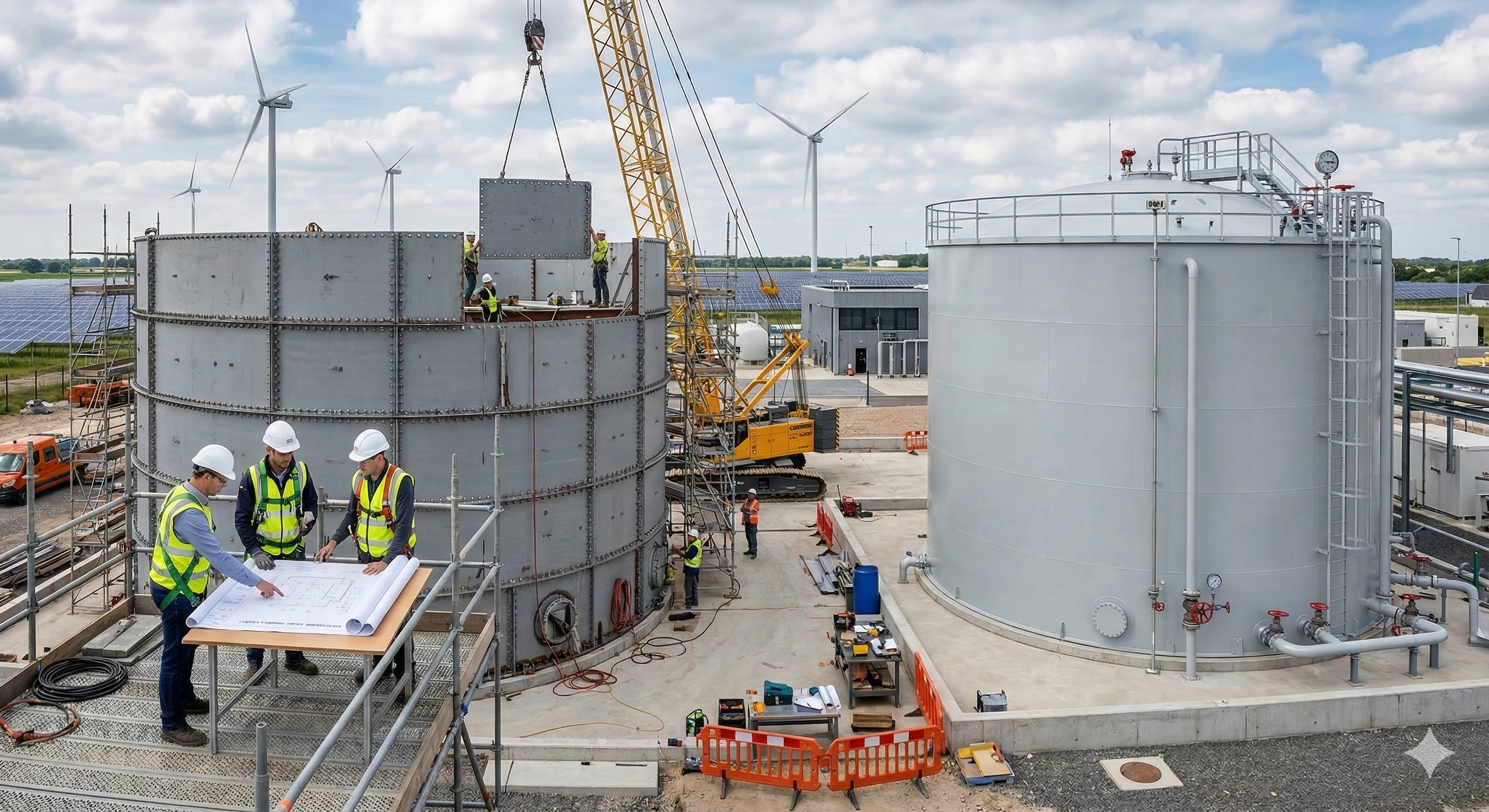
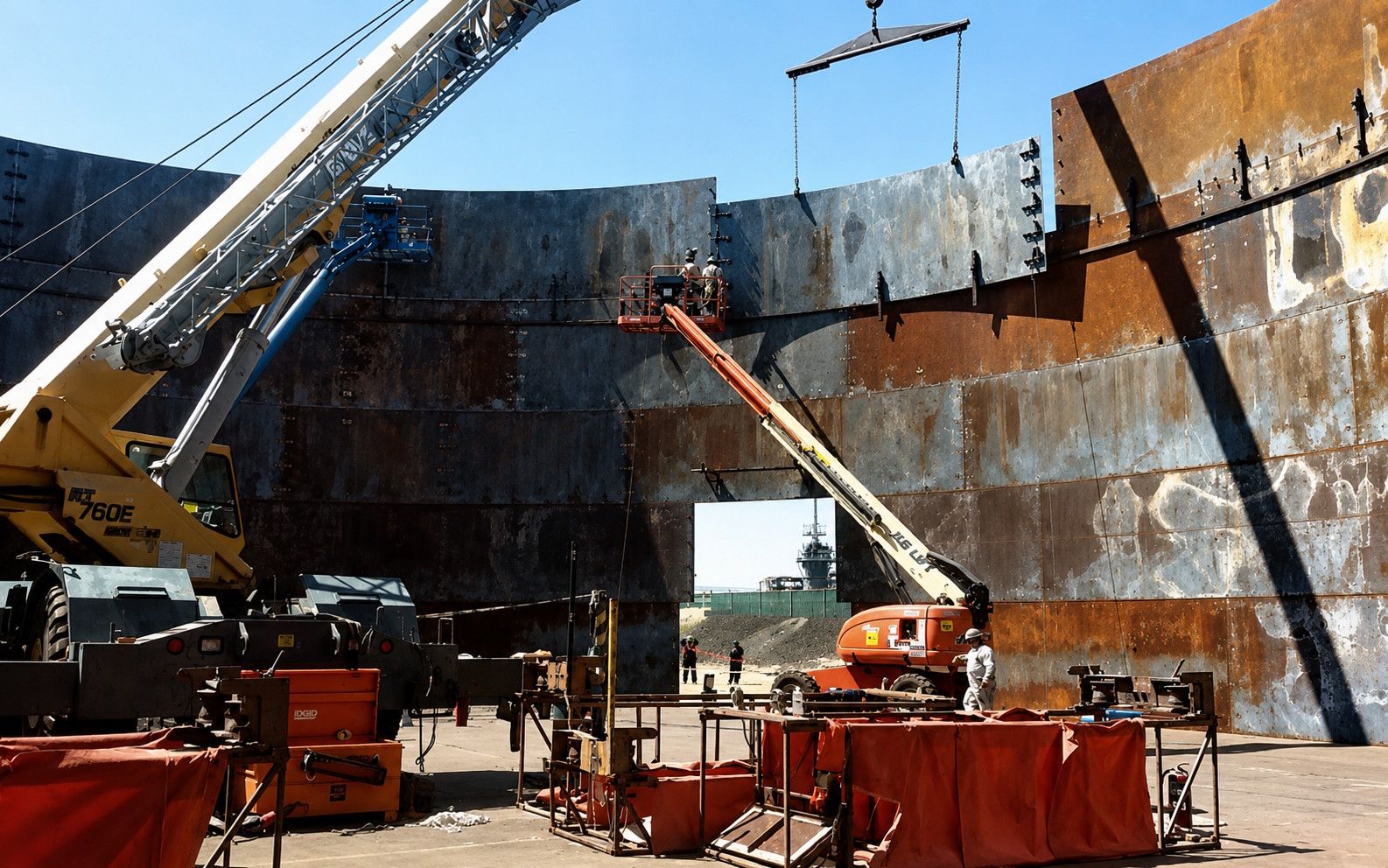
If your project involves bolted tank systems, plan safe access points and entry provisions early in the design stage, not after installation. Early planning helps ensure compatible anchorage locations, safer access routes, and smoother maintenance workflows later.
Frequently Asked Questions
About the author

Energetic and dedicated Operations Leader with more than 20 years of demonstrated results driven experience in fast paced manufacturing environments. Proven skills in building and directing strong teams to achieve challenging objectives.
View all postsRecent Posts
Choosing the Right Dry Bulk Storage Tank: 6 Key Questions
Grain Storage After Harvest: Control Moisture, Temperature & Airflow
What Is Water Conservation? Importance, Storage & Tanks
What to Know Before Building a Tank Foundation